Helping dogs recover mobility and reduce pain from knee injuries
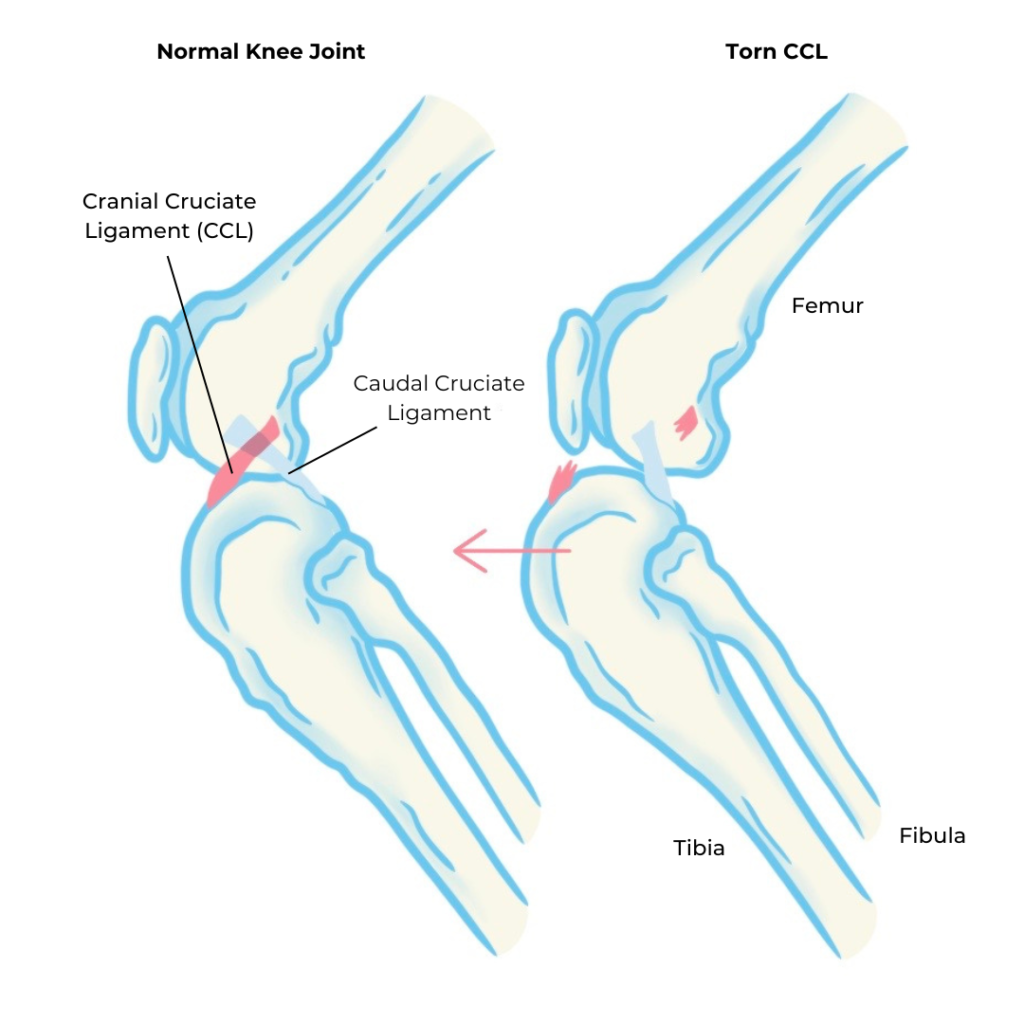
Cruciate ligament injuries are a common cause of lameness in dogs, affecting the stifle (canine knee). Unlike humans, where injuries often occur during sports or trauma, in dogs these injuries usually develop gradually. The ligament weakens over time due to inflammation, and may eventually rupture — sometimes after minor activity like jumping off the sofa.
Dogs with a cruciate injury often hold the leg up, limp, or show stiffness when rising. If you notice any of these signs, it’s important to have your dog checked by a vet promptly. Early intervention can improve comfort and prevent further damage.
Why cruciate ligament disease happens
The exact cause isn’t fully understood. Contributing factors can include:
Breed or genetics
Age and sex
Weight and body condition
Inflammatory changes in the joint
Because inflammation plays a big role, dogs with cruciate ligament disease may also develop arthritis over time, so ongoing joint care is important.
Treatment options
Dog cruciate ligament injuries can be managed surgically or non-surgically, depending on the severity of the damage:
Surgical management
Required for complete ligament ruptures.
Techniques aim to stabilise the knee and reduce strain.
Post-surgery, physiotherapy and controlled exercise are essential.
Non-surgical and regenerative options
Partial tears or early-stage injuries may be managed without surgery.
Laser therapy (photobiomodulation) and physiotherapy can further support recovery.
Both surgical and non-surgical approaches benefit from weight management, exercise plans, and ongoing joint care to maintain comfort and delay arthritis
Protecting the second knee
Did you know that in up to 54% of dogs with a cruciate injury, the other knee can become affected within a year? Regenerative therapies, along with careful monitoring and management, may help reduce risk and delay injury to the second knee.
Working with MSK Vets
At MSK Vets, we provide guidance on:
Choosing the right treatment strategy for your dog
Combining therapies for optimal comfort and mobility
Supporting ongoing joint health to delay arthritis
Monitoring recovery and preventing further injury
Early intervention and a tailored care plan can make a real difference to your dog’s quality of life.