Helping dogs with back pain, weakness, and mobility changes
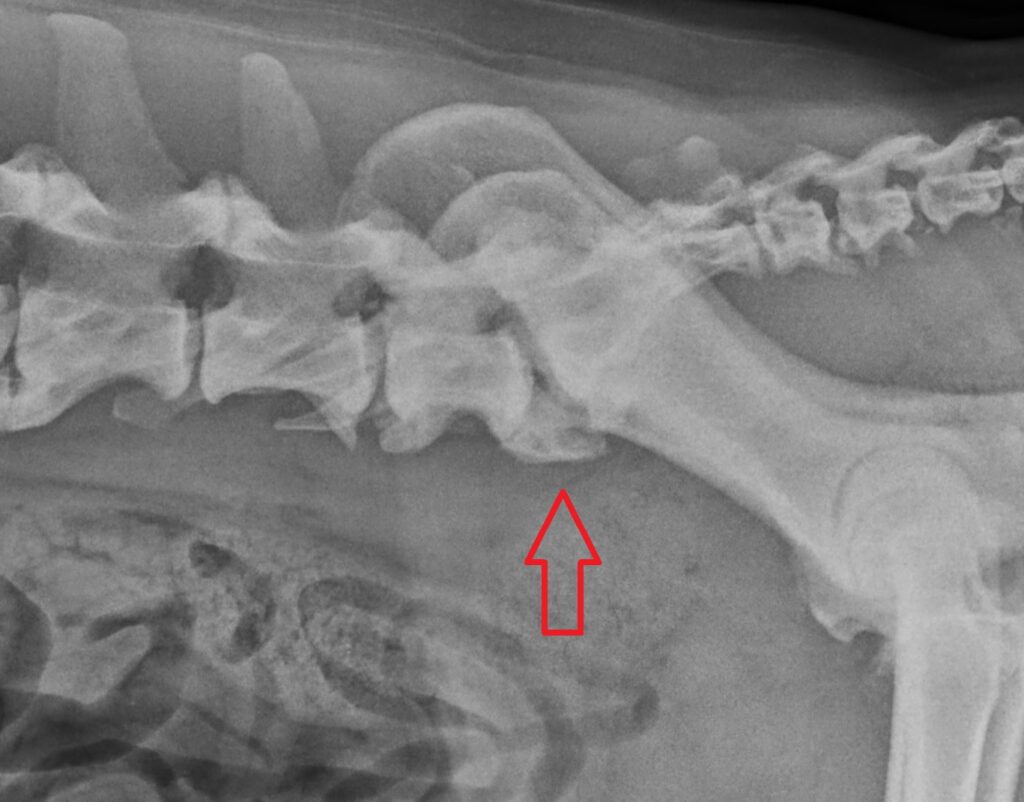
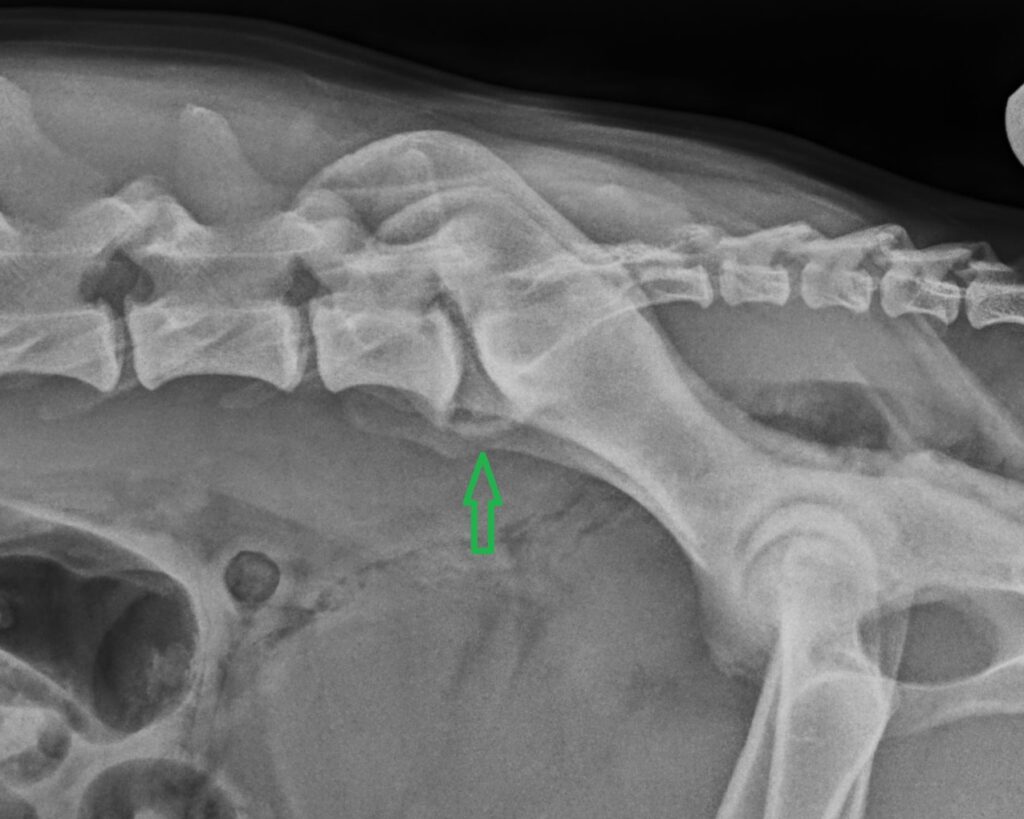
Lumbosacral Disease refers to a degenerative condition at the junction between the last lumbar vertebra (lower spine) and the sacrum (pelvis). In simple terms, it’s a problem that affects the nerves leaving the lower back, leading to pain, stiffness, and mobility issues.
The condition often develops slowly over months or years and is particularly common in:
Large breed dogs (especially German Shepherds, Labradors, and similar breeds)
Older dogs as the spine ages and wears down
Working or performance dogs (protection, agility, or other high-impact activities)
Signs of Lumbosacral Disease?
Dogs may show:
Lameness or hind limb weakness
Reluctance to jump, climb stairs, or rise from rest.
Postural changes or a “tucked” back end.
Difficulty toileting due to nerve irritation
Reduced stamina on walks
How Do We manage Lumbosacral Disease?
While there is no cure, there are many ways to help dogs remain comfortable and mobile:
Conservative management
Similar to arthritis care, including pain relief, weight control, physiotherapy, and lifestyle adaptation.
Epidural steroid injections: a low-risk option that reduces inflammation around the affected nerves, often giving rapid improvement for several months.
Advanced therapies
Stem Cell Therapy (Mesenchymal Stem Cells): an exciting, emerging treatment aimed at reducing nerve inflammation and supporting long-term comfort. {link}
Regenerative medicine may be considered where standard treatment isn’t enough.
Surgical options
In more severe cases, surgery may be required to decompress the nerves.
This usually involves referral for advanced imaging (MRI or CT) and assessment by a specialist veterinary surgeon.
Our approach at MSK Vets
Every dog is different, so we create a tailored management plan to:
Control pain
Preserve mobility
Support quality of life
Even with a long-term condition like lumbosacral disease, many dogs can continue to enjoy an active, comfortable life with the right treatment and monitoring.